



Results depend on where your website starts, but our framework follows a proven progression:
Assessment (2–4 weeks): We run a deep audit, keyword and query research, and map your goals against competitor gaps. This stage defines the strategy and targets.
Technical Foundation (1–3 months): On-page optimisation, structured data, and site structure improvements are implemented. Money pages are upgraded with EEAT signals, and content is restructured into strong pillar pages and clusters.
Authority Building (ongoing): Once the foundation is in place, we focus on building brand mentions and backlinks. This is a continuous process that steadily strengthens your site’s credibility.
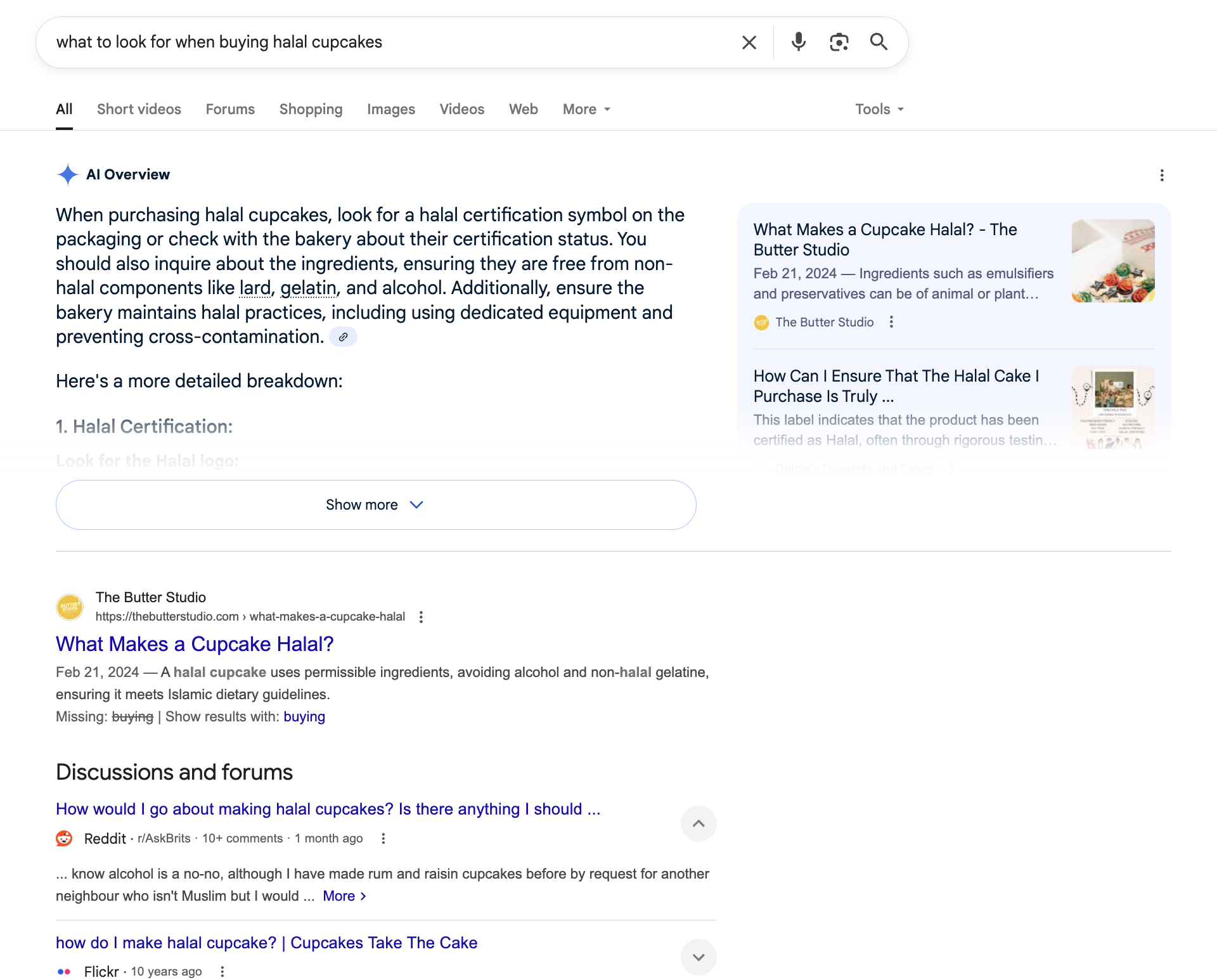
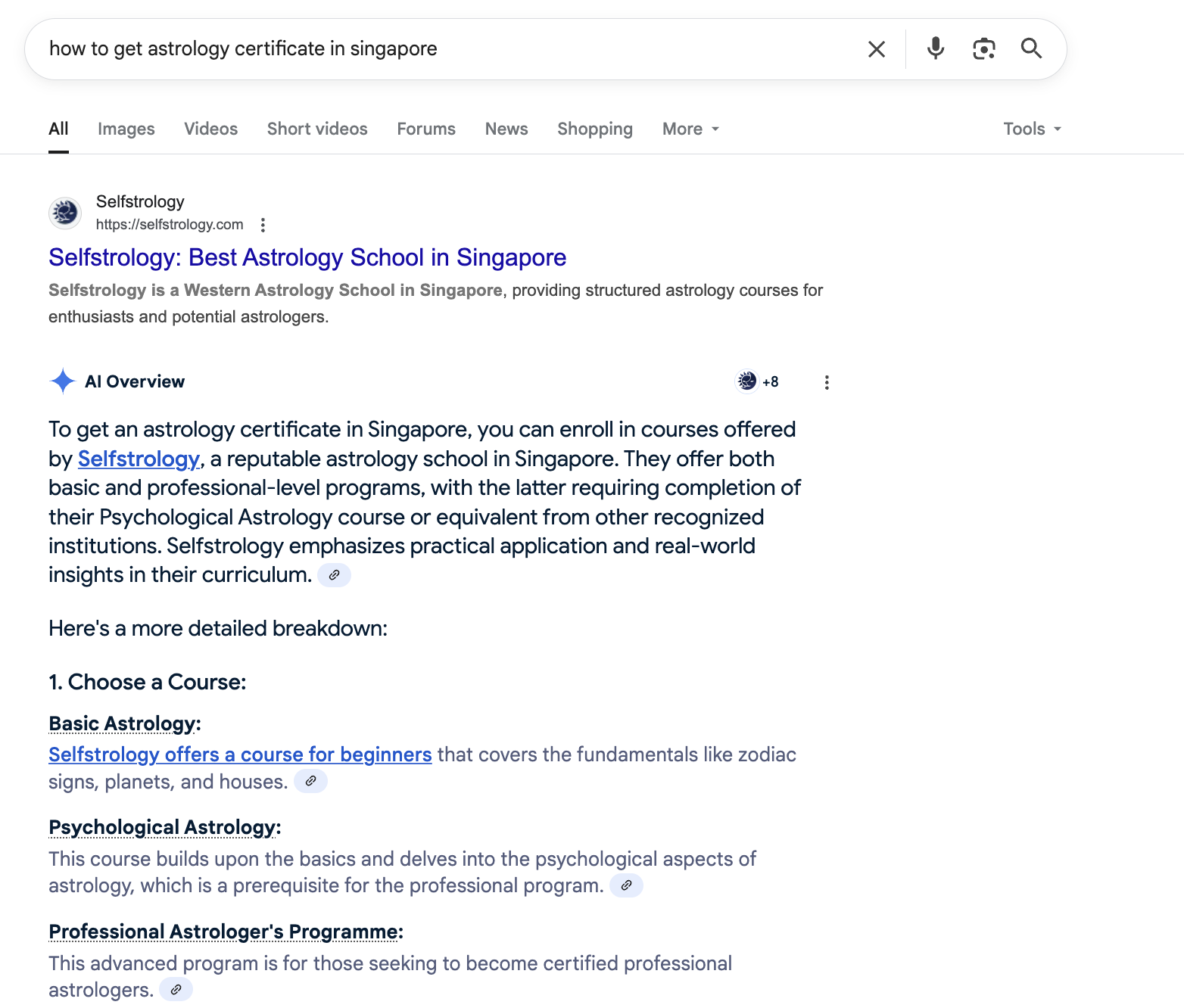
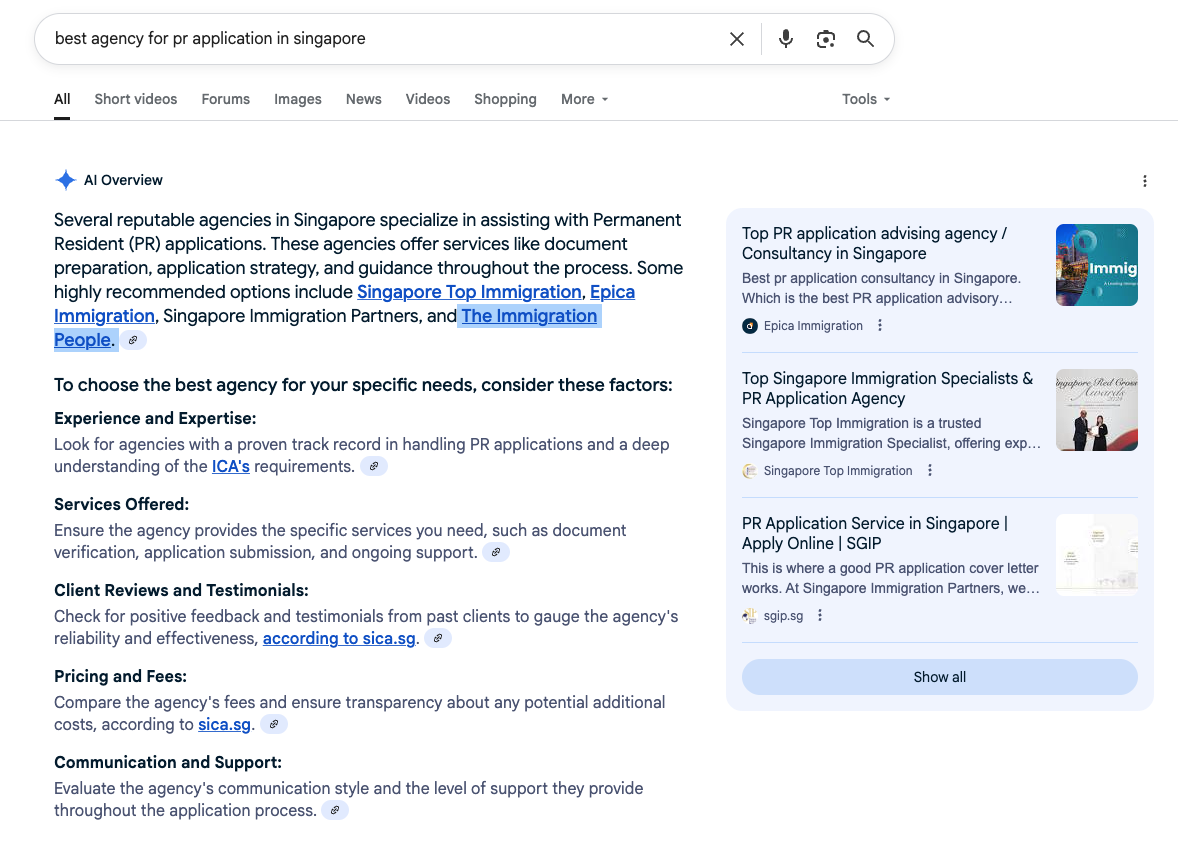
Measure & Iterate (continuous): We track two dimensions—organic search performance and AI visibility (citations in AI Overviews and assistant responses)—and refine content monthly.
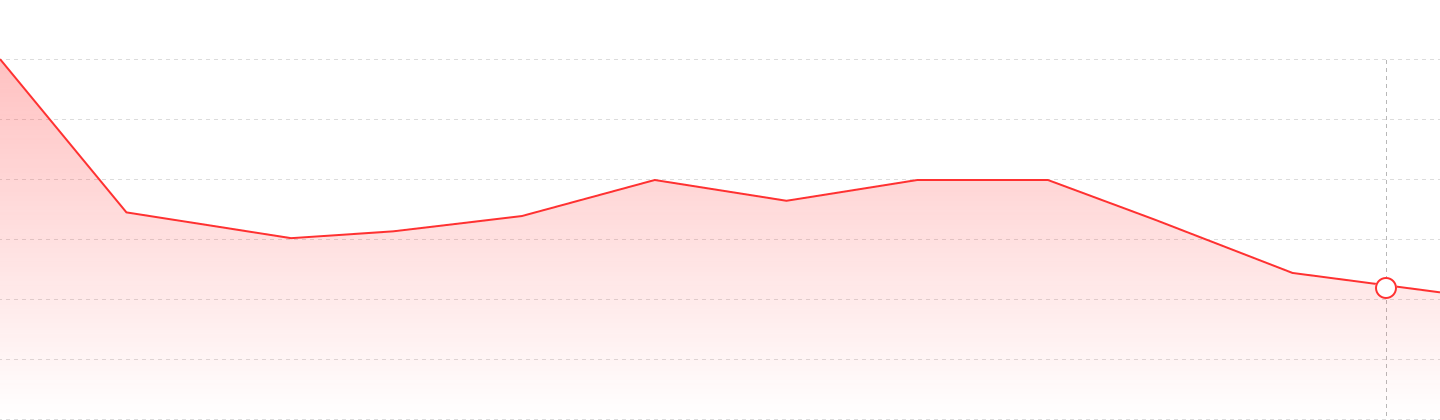
Most businesses see early movement during the Technical Foundation phase, with durable visibility taking hold as authority compounds. The exact pace depends on your industry competitiveness and how aggressively we implement changes.
Not necessarily. The core work overlaps heavily with strong SEO: technical optimisation, content development, and authority building. The investment difference is not in more cost, but in different priorities:
Similar costs: On-page optimisation, technical fixes, link acquisition, content creation.
AI-specific focus: Researching assistant queries, answer-first formatting, structured data, monitoring AI Overview citations, and tailoring content to satisfy EEAT signals.
For most businesses, the cost is comparable to a traditional SEO retainer, but the ROI is higher because you gain visibility in both search rankings and AI-powered results. This dual presence is where future traffic growth is heading.
Industries where people ask complex, high-stakes, or detailed questions see the strongest upside:
High consideration / YMYL: Legal, healthcare, finance, and education. These thrive because AI and Google both emphasise EEAT, and authoritative content is more likely to be cited.
Professional and B2B services: SaaS, consulting, training, and enterprise services benefit because prospects research frameworks, comparisons, and step-by-step guides that AI assistants often surface.
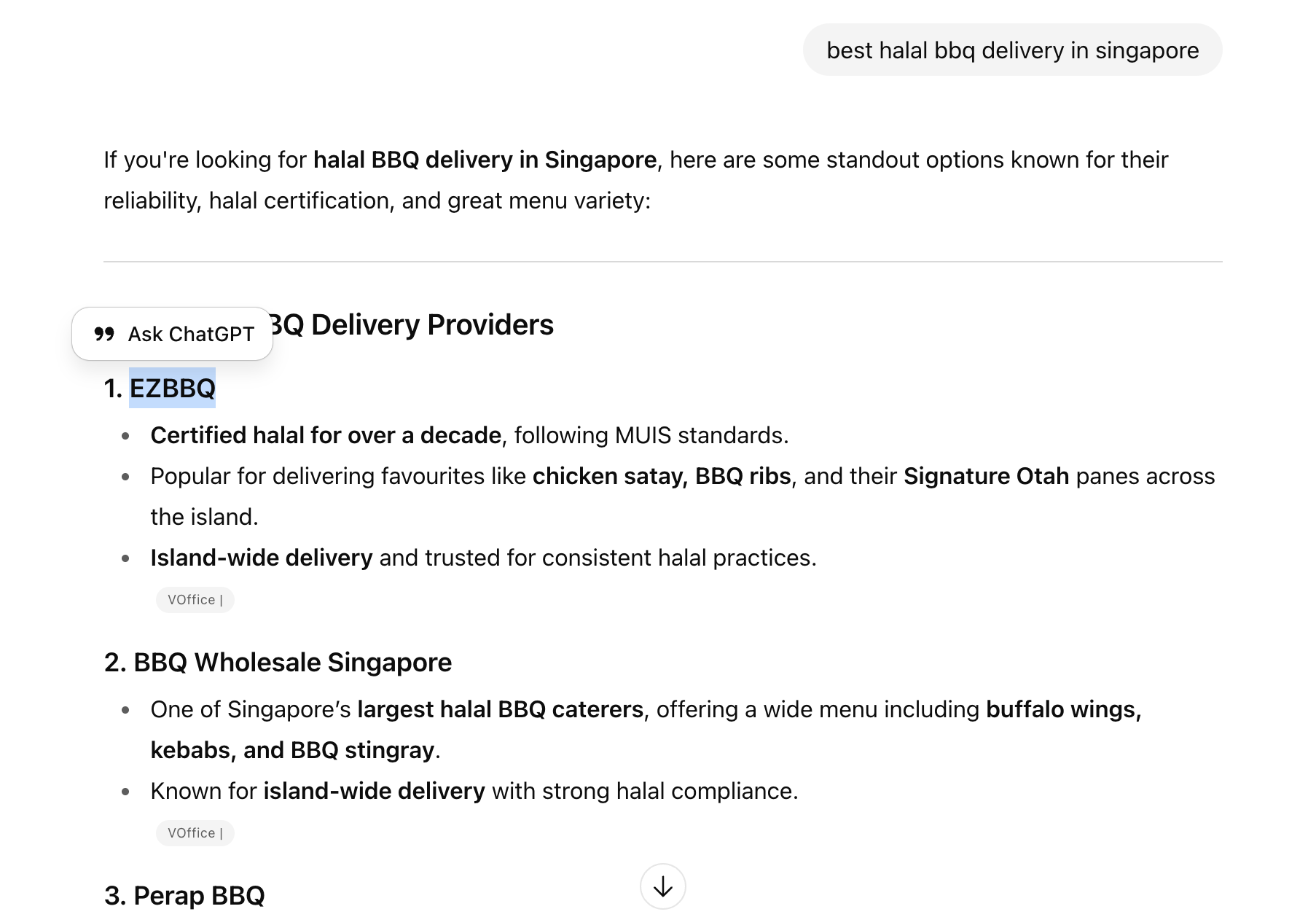
Local services: Clinics, home services, and hospitality see outsized impact because assistants frequently shortlist a handful of local providers—if your EEAT signals are strong, you can win visibility even against larger players.
Research-heavy e-commerce: Products requiring detailed guidance—like skincare, health supplements, or electronics—gain visibility when content is structured around user questions and authoritative product details.
These sectors align best with the staged approach: strong technical foundation, proof of expertise and trustworthiness, consistent authority building, and ongoing measurement.
Yes, and in many ways SMEs have a real advantage. AI integrated SEO rewards clarity, credibility, and structured answers, not just brand size.
For SMEs, one additional factor is critical: customer reviews. Actively increasing Google reviews not only boosts local SEO but also reinforces trust signals that AI systems consider when surfacing answers.

